QUICK ANSWER
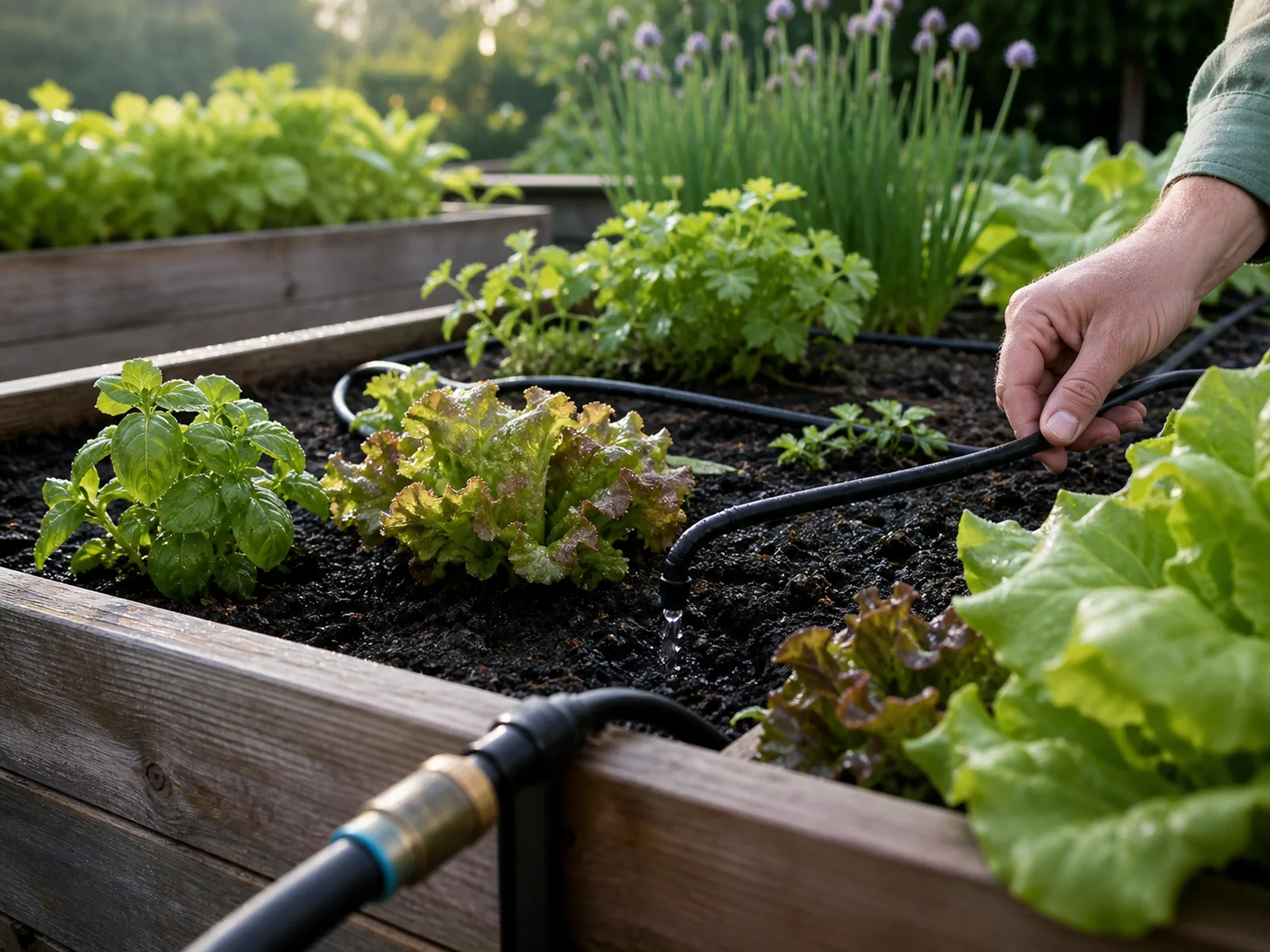
A productive raised bed begins with a sensible size, open drainage, a soil mix that holds both moisture and air, and a watering plan you can keep up with.
START WITH THE GARDEN YOU HAVE
Begin with the conditions, then choose the method.
Plan, fill and care for raised beds without treating the build as a shortcut around good soil and steady watering. The useful next step is to observe the site and define what success looks like before changing materials, equipment or routine. Small, repeatable adjustments are usually easier to learn from than a complete reset.
Use this guide as a framework, not a rigid rule. Climate, soil, plant variety and the way you use your outdoor space all shape the best answer.
PRACTICAL CONSIDERATIONS
What to pay attention to.
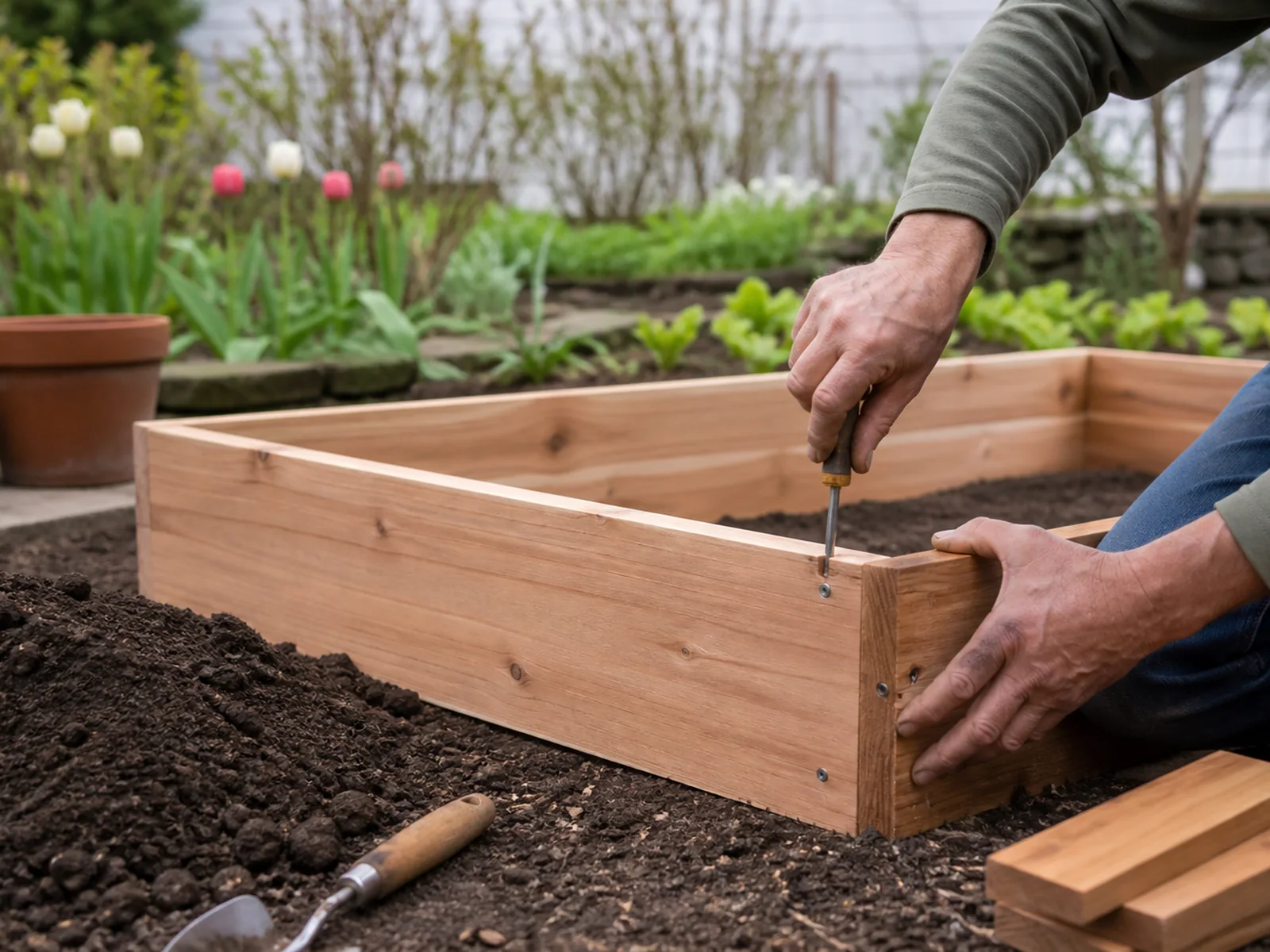
- Keep the bed narrow enough to reach its center without stepping on the soil.
- Choose depth based on the crops and the soil beneath the frame, not just a popular kit size.
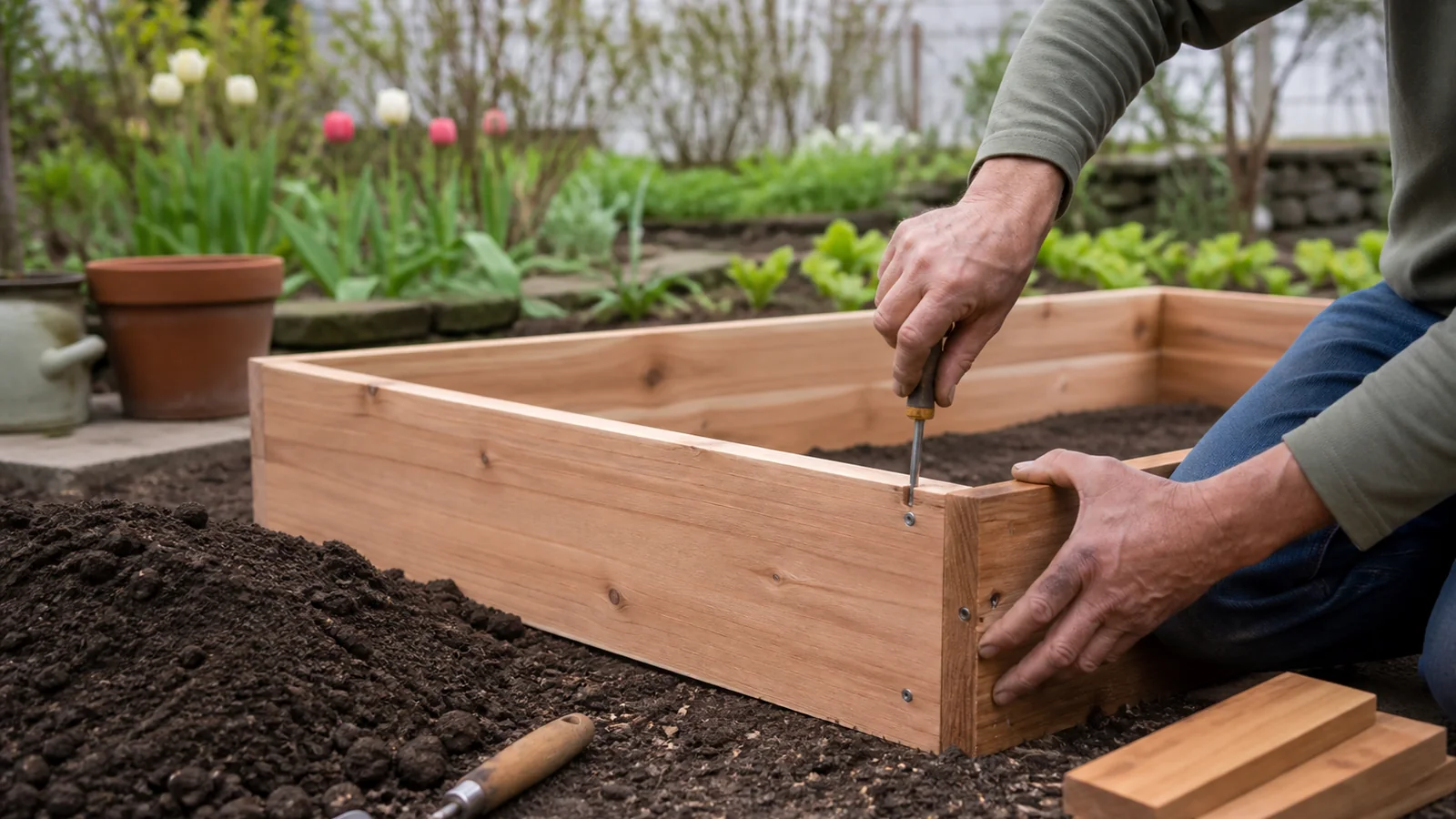
- Plan access, hose reach and sun exposure before the first board is fastened.
THE PRO GARDEN TAKE
For most small vegetable gardens, dependable watering and a workable path layout do more for the harvest than an elaborate bed design.
COMMON MISTAKES
Keep the process simple enough to adjust.
A garden does not need a perfect system to improve. These are the patterns most likely to make the work harder or obscure the real cause of a problem.
- Filling a deep frame with only bagged topsoil.
- Building beds where a hose or wheelbarrow cannot comfortably reach.
- Assuming a raised bed eliminates the need to improve drainage or water consistently.
EDITORIAL NOTE
We publish product coverage as research-led guidance. Unless a page specifically states otherwise, descriptions are based on published specifications, intended use, manufacturer documentation and reputable third-party information—not fabricated hands-on testing.
Read our review approach