QUICK ANSWER
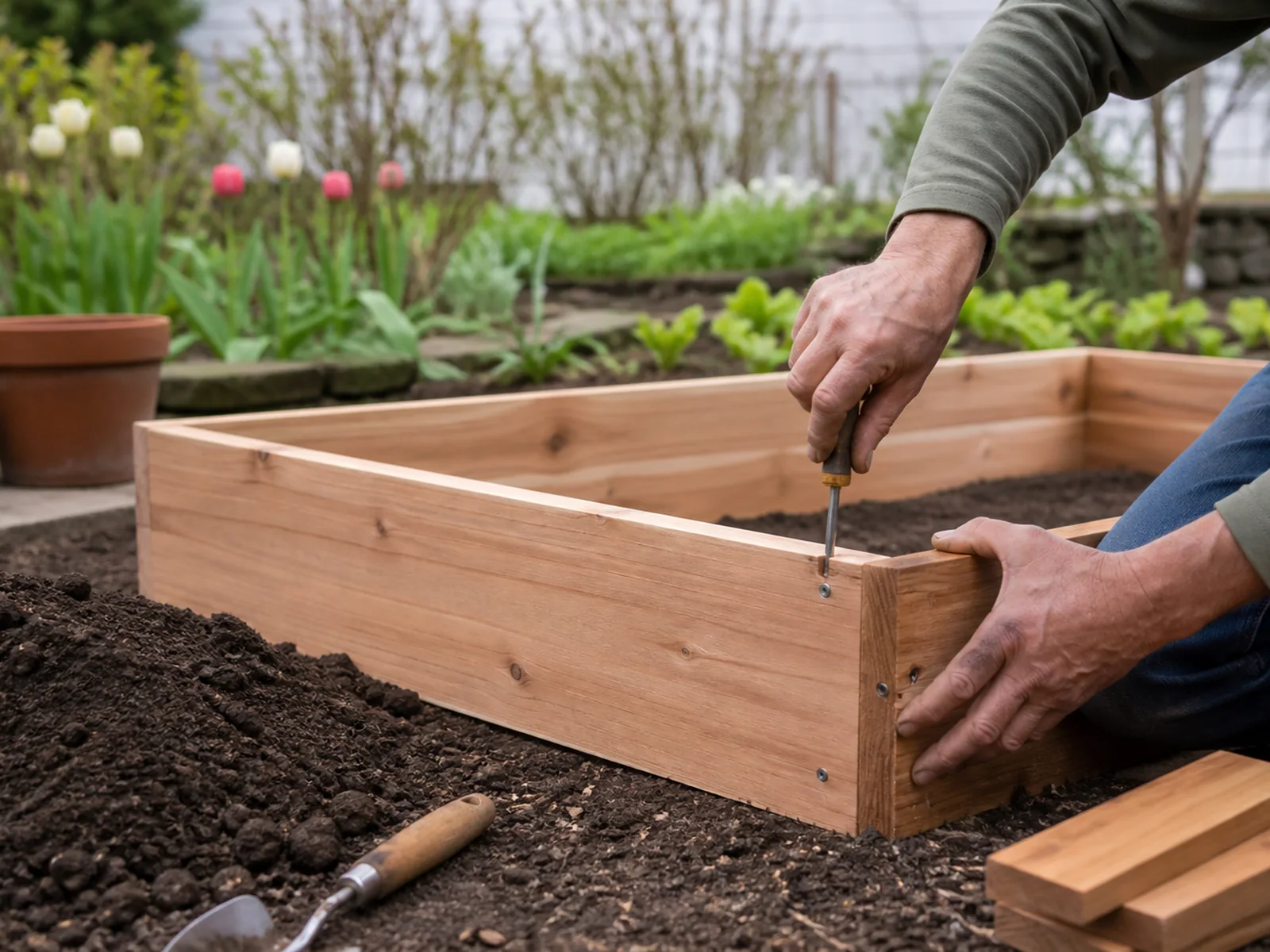
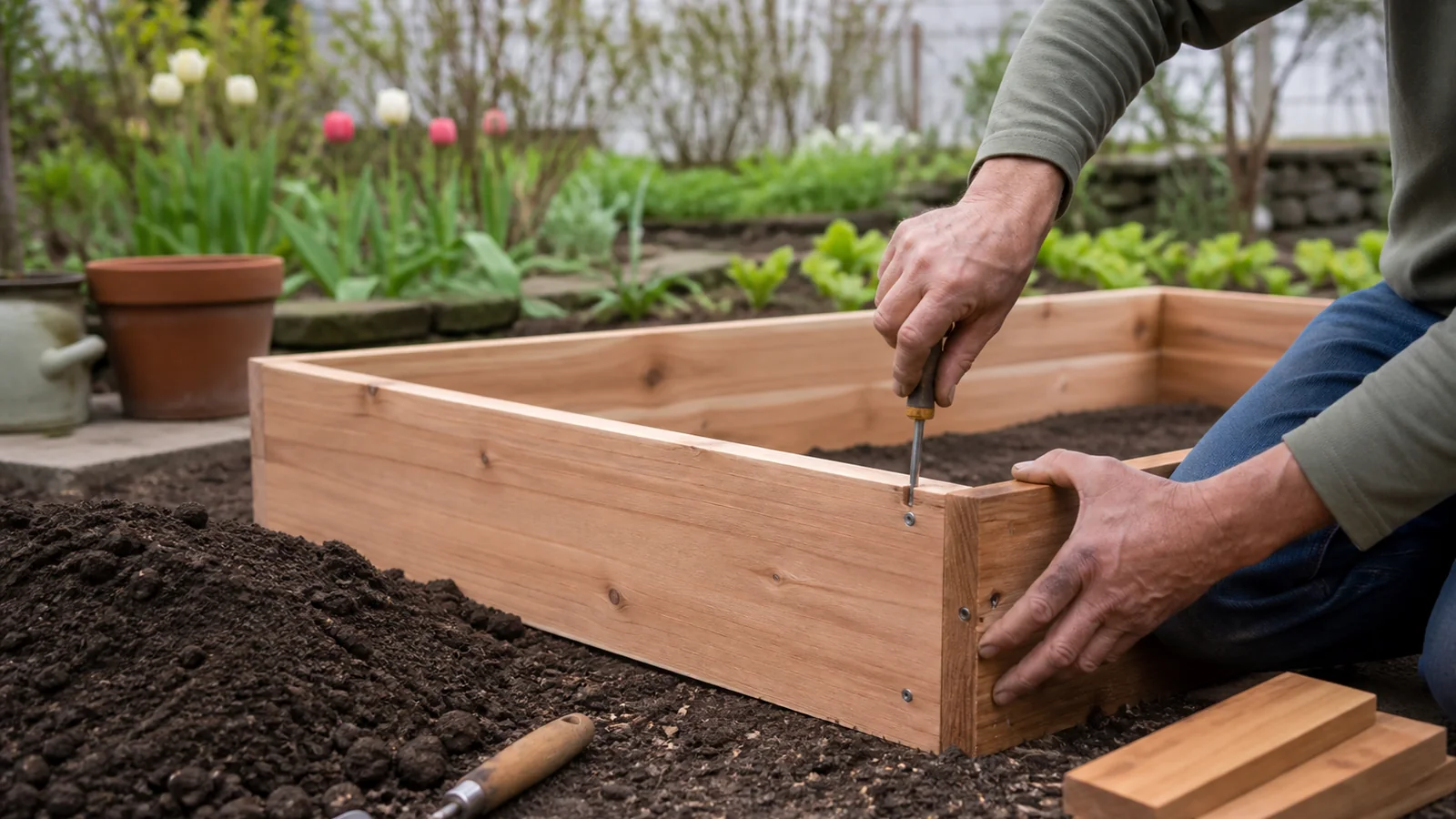
Cedar often suits gardeners who value a warm natural look and straightforward construction. Metal systems can offer long service life and modularity. The best choice depends on climate, budget, bed height and your willingness to maintain the material.
START WITH THE GARDEN YOU HAVE
Begin with the conditions, then choose the method.
Compare two common raised-bed materials through durability, heat, setup, maintenance and the garden you want to build. The useful next step is to observe the site and define what success looks like before changing materials, equipment or routine. Small, repeatable adjustments are usually easier to learn from than a complete reset.
Use this guide as a framework, not a rigid rule. Climate, soil, plant variety and the way you use your outdoor space all shape the best answer.
PRACTICAL CONSIDERATIONS
What to pay attention to.
- Compare actual panel thickness, coatings, hardware and warranty details.
- Consider how each material feels in your local summer sun and winter moisture.
- Choose a layout you can repair, expand or live with over several seasons.
COMMON MISTAKES
Keep the process simple enough to adjust.
A garden does not need a perfect system to improve. These are the patterns most likely to make the work harder or obscure the real cause of a problem.
- Assuming one material is universally more durable.
- Comparing only the entry price instead of total bed volume and hardware.
- Choosing a finish that clashes with the surrounding garden.
EDITORIAL NOTE
We publish product coverage as research-led guidance. Unless a page specifically states otherwise, descriptions are based on published specifications, intended use, manufacturer documentation and reputable third-party information—not fabricated hands-on testing.
Read our review approach