QUICK ANSWER
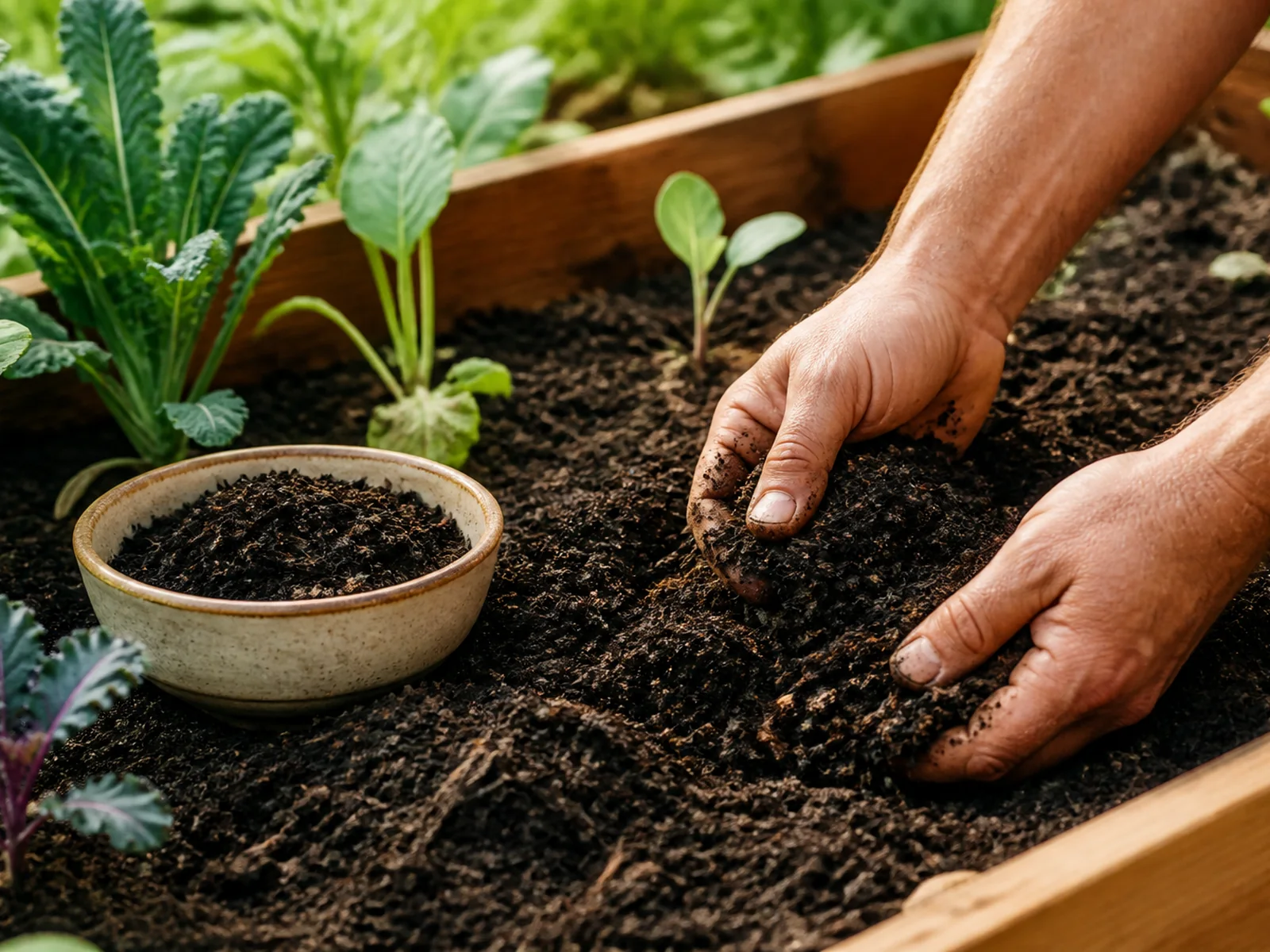
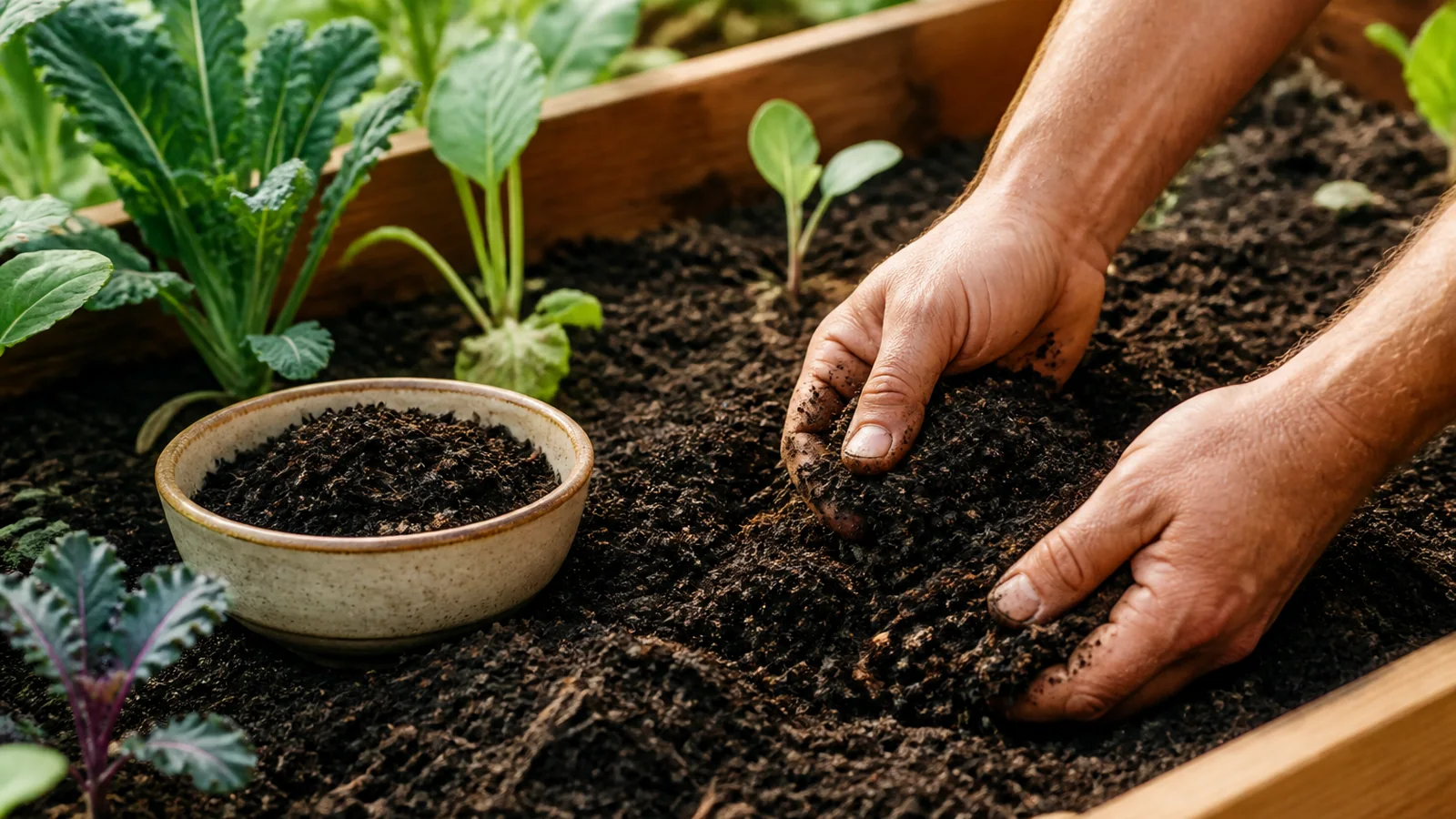
Compost is often useful before planting, as a light seasonal top-dressing or when renewing a bed between crops. The timing matters less than applying an appropriate amount for a clear purpose.
START WITH THE GARDEN YOU HAVE
Begin with the conditions, then choose the method.
Use compost at times that support planting, mulching and soil structure without burying a problem under another layer. The useful next step is to observe the site and define what success looks like before changing materials, equipment or routine. Small, repeatable adjustments are usually easier to learn from than a complete reset.
Use this guide as a framework, not a rigid rule. Climate, soil, plant variety and the way you use your outdoor space all shape the best answer.
PRACTICAL CONSIDERATIONS
What to pay attention to.
- Add finished compost where roots and soil organisms can benefit from it.
- Use modest layers and observe how the bed responds.
- Pair compost with crop rotation, mulch and sound watering.
COMMON MISTAKES
Keep the process simple enough to adjust.
A garden does not need a perfect system to improve. These are the patterns most likely to make the work harder or obscure the real cause of a problem.
- Adding thick layers repeatedly without a soil plan.
- Using unfinished material against young plants.
- Treating compost as a direct substitute for all nutrients.
EDITORIAL NOTE
We publish product coverage as research-led guidance. Unless a page specifically states otherwise, descriptions are based on published specifications, intended use, manufacturer documentation and reputable third-party information—not fabricated hands-on testing.
Read our review approach