QUICK ANSWER
Healthy garden soil is not a single product. It is a living, workable balance of mineral particles, air, water and organic matter that suits the plants you want to grow.
START WITH THE GARDEN YOU HAVE
Begin with the conditions, then choose the method.
A working guide to texture, organic matter, drainage and the small observations that lead to better soil decisions. The useful next step is to observe the site and define what success looks like before changing materials, equipment or routine. Small, repeatable adjustments are usually easier to learn from than a complete reset.
Use this guide as a framework, not a rigid rule. Climate, soil, plant variety and the way you use your outdoor space all shape the best answer.
PRACTICAL CONSIDERATIONS
What to pay attention to.
- Notice how quickly water enters and leaves the bed before adding amendments.
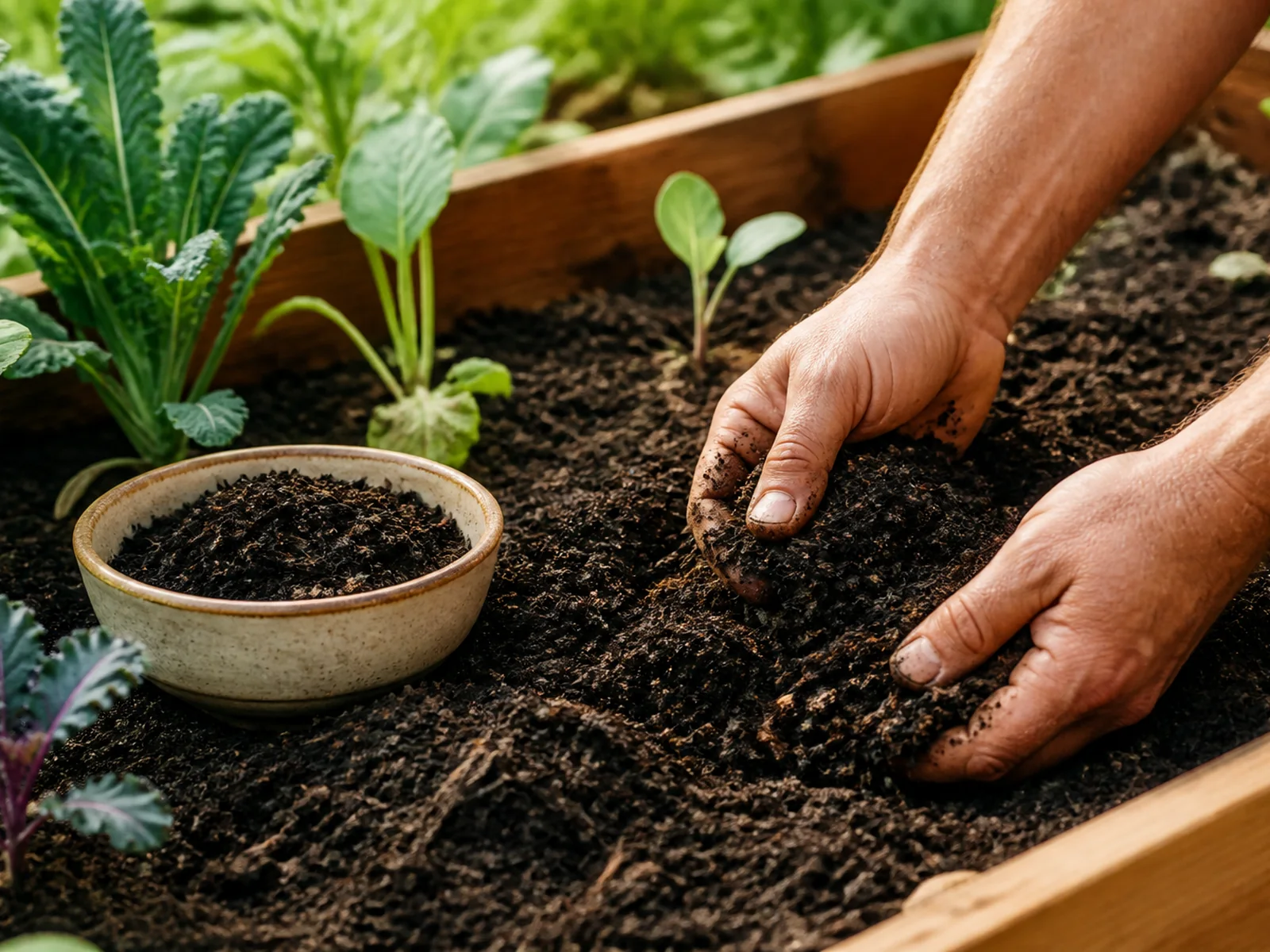
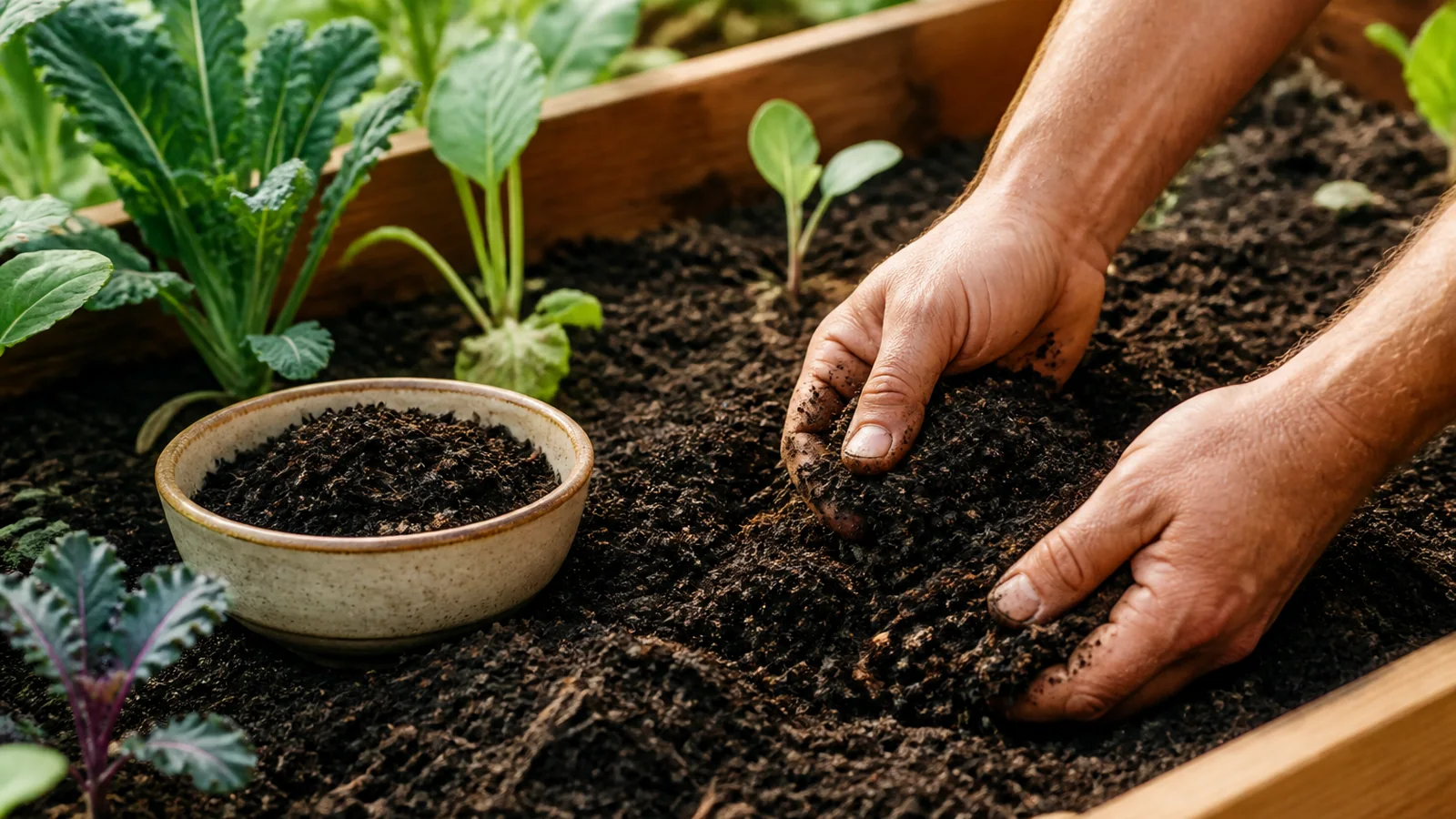
- Use compost to support structure and biology, then observe the result over a season.
- Match fertility changes to plant needs instead of treating more fertilizer as the automatic solution.
THE PRO GARDEN TAKE
Before buying another amendment, learn how water moves through the soil you already have.
COMMON MISTAKES
Keep the process simple enough to adjust.
A garden does not need a perfect system to improve. These are the patterns most likely to make the work harder or obscure the real cause of a problem.
- Working soil when it is wet enough to smear in your hand.
- Adding a new amendment without knowing what problem it is meant to solve.
- Mistaking dark color alone for healthy soil.
EDITORIAL NOTE
We publish product coverage as research-led guidance. Unless a page specifically states otherwise, descriptions are based on published specifications, intended use, manufacturer documentation and reputable third-party information—not fabricated hands-on testing.
Read our review approach